Dungeon success increasingly hinges on how groups manage pull density. Deciding how many enemies to engage at once directly affects both run speed and survival risk. Aggressive pulls can save time but amplify danger, while conservative pacing improves safety at the cost of efficiency. Mastery lies in finding the balance between these extremes.
Pull Size Dictates Run Tempo
Larger pulls accelerate dungeon progress by maximizing damage efficiency and cooldown value. However, they demand precise coordination, defensive planning, and strong healing throughput. Smaller pulls reduce pressure but extend run duration, especially under strict timers.
Risk Increases Nonlinearly

Each additional enemy added to a pull compounds risk through overlapping abilities, damage spikes, and control requirements. What feels manageable at one level can quickly become overwhelming with minor increases. Groups must assess not just enemy count, but ability interactions and terrain constraints.
Cooldown Awareness Enables Safe Aggression
Successful groups plan pull density around cooldown availability. Defensive and offensive tools turn dangerous pulls into controlled engagements when used deliberately. Without cooldowns, even modest pulls can become lethal, forcing slower pacing until resources recover.
| Pull Density | Main Advantage | Primary Risk |
|---|---|---|
| Small pulls | High safety | Lost time |
| Moderate pulls | Balanced pacing | Resource drain |
| Large pulls | Time efficiency | Damage spikes |
| Chain pulls | Momentum | Cooldown exhaustion |
Leadership Guides Density Decisions
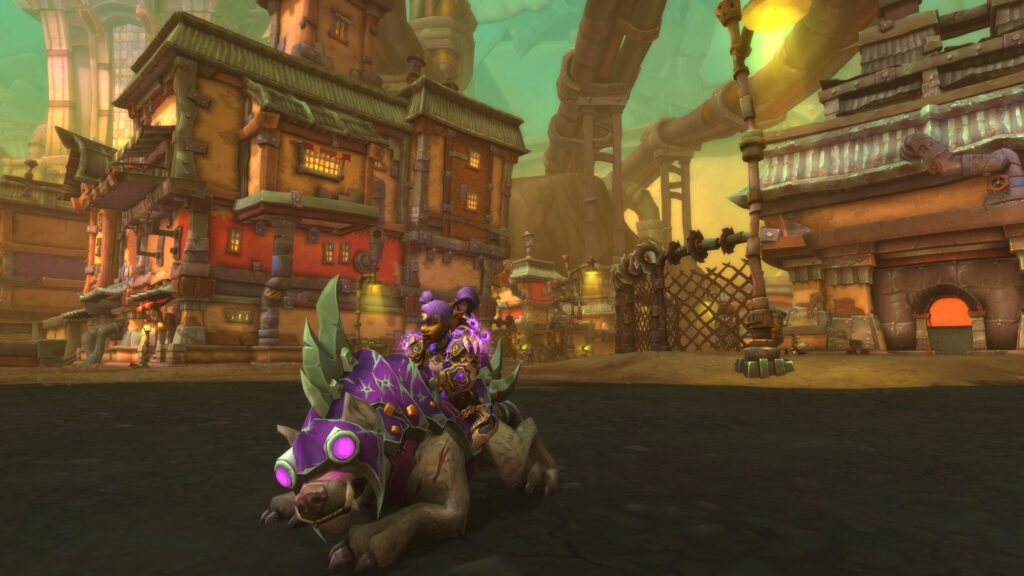
Tanks and group leaders set pull expectations based on group strength, cooldown state, and dungeon layout. Clear communication prevents hesitation and misalignment. Groups with decisive leadership maintain momentum without exposing themselves to unnecessary danger.
Conclusion
Dungeon pull density balances speed with survival risk on every run. Optimal pacing requires awareness, planning, and adaptability rather than rigid habits. Groups that manage pull size intelligently move quickly without sacrificing control, turning risk into calculated progress.