
World of Warcraft has long been defined by its dynamic in-game economy, where gold plays a crucial role in everything from crafting and raiding to trading and collecting. Over the years, the practice of buying WoW gold has evolved significantly, reflecting changes in player behavior, game mechanics, and Blizzard’s policies. In this article, we’ll explore how WoW gold buying trends have shifted over time and what these changes mean for the game’s economy and community.
The Early Days: Risk and Reward
In WoW’s early days, gold buying was a shadowy practice. Third-party sellers dominated the market, offering gold at competitive rates but often at a significant risk. Players who engaged with these services faced potential account bans, as Blizzard actively enforced its terms of service to maintain a fair playing field. Despite the risks, many players sought these services to bypass the grind and gain an edge in the game.
The lack of in-game systems for gold purchasing made these transactions inherently insecure. Buyers relied on unverified platforms, leading to issues like scams and account theft. This period marked a time when gold buying was a risky but appealing shortcut for players looking to save time.
The Introduction of the WoW Token
In 2015, Blizzard revolutionized the gold-buying landscape with the introduction of the WoW Token. This official system allowed players to purchase tokens with real money and sell them on the in-game auction house for gold. The WoW Token provided a secure and legitimate way to buy gold, eliminating the risks associated with third-party sellers.
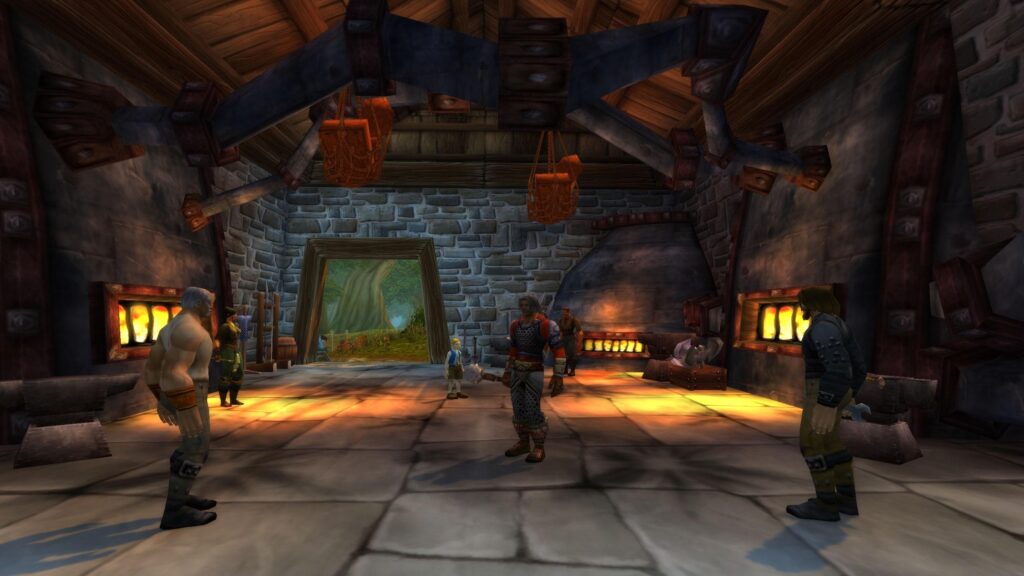
The WoW Token not only protected players but also integrated gold buying into the game’s economy. It created a bridge between players who needed gold and those willing to spend real money, stabilizing the in-game market and reducing the prevalence of illicit transactions.
Shifts in Player Behavior
Over the years, player attitudes toward gold buying have shifted significantly. With the WoW Token offering a safe and transparent option, many players now view gold buying as a legitimate part of the game. This normalization has led to increased adoption among casual and competitive players alike, who use purchased gold to enhance their gameplay without fear of repercussions.
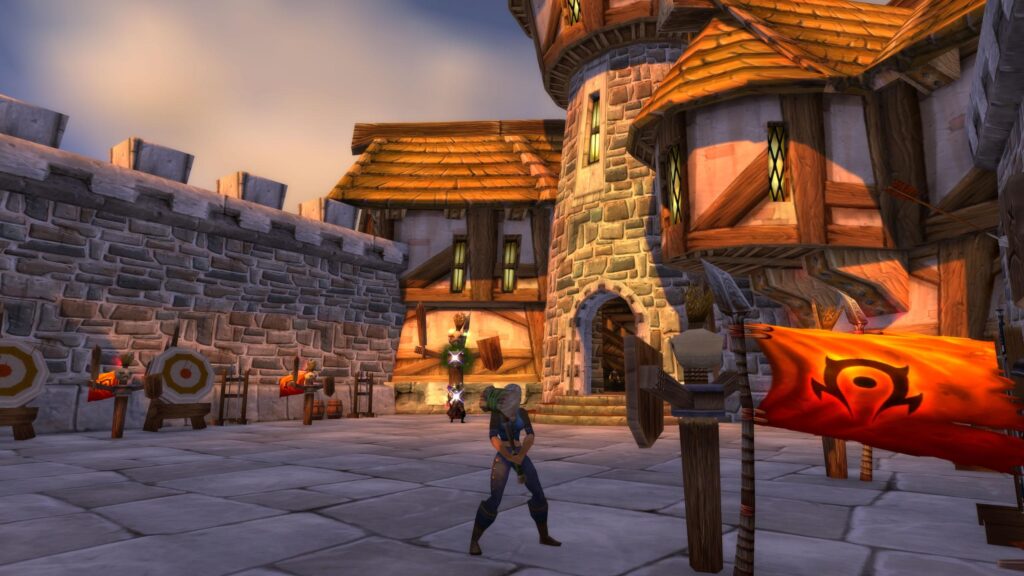
Additionally, the rise of time-limited content, seasonal achievements, and high-cost collectibles has increased the demand for gold. Players are more likely to buy gold to save time and focus on enjoying WoW’s core content rather than grinding for currency.
Impact on WoW’s Economy
The introduction of secure gold-buying options like the WoW Token has had a profound impact on the game’s economy. By increasing the availability of gold, it has influenced auction house prices, crafting costs, and the overall accessibility of luxury items. Inflation has become a common concern, with certain goods commanding higher prices due to the influx of purchased gold.

At the same time, the WoW Token has helped stabilize the economy by providing a consistent method for gold acquisition. It has also created opportunities for players to earn gold by selling tokens, adding a new layer of strategy to the in-game economy.
Current Trends and Future Predictions
Today, gold buying is more prevalent than ever, driven by the convenience and security of the WoW Token. Players increasingly use purchased gold to participate in high-end content, invest in the auction house, and acquire rare collectibles. This trend is likely to continue as WoW introduces more gold-intensive systems and time-sensitive rewards.
Looking ahead, Blizzard may further refine the WoW Token system to adapt to player needs and market trends. As new expansions and content updates are released, the demand for gold—and the appeal of gold buying—is expected to grow, shaping the future of WoW’s economy.
Conclusion: A Changing Landscape
The evolution of WoW gold buying reflects broader changes in the game and its community. From the risky transactions of the early days to the secure and integrated WoW Token system, gold buying has become a legitimate and widely accepted part of the game. These changes have transformed WoW’s economy, creating new opportunities and challenges for players. As the game continues to evolve, understanding these trends will be essential for navigating Azeroth’s ever-changing marketplace.
